Darknet Markets 2026:
The dark web is part of the deep web but is built on darknets: overlay networks that sit on the internet but which can't be accessed without special tools or software like Tor. Tor is an anonymizing software tool that stands for The Onion Router — you can use the Tor network via Tor Browser.
| Darknet Market | Established | Total Listings | Link |
|---|---|---|---|
| TorZon Market | 2022 | 140+ | Onion Link |
| Nexus Market | 2024 | 600+ | Onion Link |
| Abacus Market | 2022 | 100+ | Onion Link |
| Ares | 2026 | 100+ | Onion Link |
| Cocorico | 2023 | 110+ | Onion Link |
Updated 2026-10-28
How the Darknet Makes Shopping Safe and Private
The operational model of darknet marketplaces is engineered to facilitate secure transactions by integrating several core components. These platforms function as cryptographically secured intermediaries between buyers and vendors, employing a multi-signature escrow system for financial security. When a purchase is initiated, the buyer's cryptocurrency is held in escrow by the marketplace and is only released to the vendor after the buyer confirms satisfactory receipt of the goods. This mechanism significantly reduces the risk of fraud.
Privacy is maintained through the mandatory use of Tor or I2P networks for access, which anonymizes user traffic. All communications are secured with end-to-end encryption, typically using PGP keys, ensuring that only the intended recipient can read messages. Transactions are conducted using cryptocurrencies like Monero or Bitcoin, which provide a layer of financial pseudonymity. The marketplace itself does not store sensitive personal data, further protecting user identities.
The security of the shopping experience is directly reinforced by community-driven trust systems. Vendors build a digital reputation over time through consistent performance, which is quantitatively displayed via a feedback score and qualitatively detailed in user reviews. These reviews offer specific insights into product quality, shipping speed, and stealth packaging. This transparent feedback loop allows buyers to make informed decisions, promoting a self-regulating ecosystem where reputable vendors thrive and unreliable ones are marginalized.
- Escrow services hold funds until order completion.
- Encrypted communications protect all dialogues.
- Cryptocurrency payments obscure financial trails.
- Vendor reputation scores are built from historical transaction data.
- Detailed user reviews provide verified product and service assessments.
This combination of technological safeguards and social proof mechanisms creates an environment where private and secure commerce can occur. The system prioritizes transactional success and discretion, enabling a reliable exchange of goods based on verified information and cryptographic trust.
How Crypto and Encryption Keep Darknet Trade Private and Secure
The operational security of darknet marketplaces is fundamentally built upon two technological pillars: cryptocurrency and encryption. These tools work in tandem to create a transactional environment where privacy is the default state, enabling secure commerce between consenting adults. Cryptocurrencies like Monero and Bitcoin provide a financial layer detached from traditional banking systems. Transactions are recorded on a public ledger, but the identities of the parties involved are represented by pseudonymous addresses, not personal names. This disintermediation allows for direct peer-to-peer value transfer without the oversight of financial institutions.
Encryption secures the communication and data layer. Every message between a buyer and a vendor, as well as transaction details, is protected using end-to-end encryption. This means only the intended recipient can decrypt and read the information, rendering intercepted messages useless. Marketplace platforms themselves utilize Tor or similar anonymity networks to hide the location of their servers and users. The combination creates a robust framework for privacy:
- Cryptocurrency obfuscates the financial trail.
- Encryption protects the content of communications.
- Anonymity networks conceal user location and access points.
This technical infrastructure directly supports the ecosystem's trust mechanisms. Because financial and personal identities are shielded, the reputation system becomes the primary currency for trust. Vendors build their standing over time through consistent performance, which is verifiable via the immutable feedback left by previous buyers. The privacy tools do not hinder transparency; they refocus it on transactional quality and reliability rather than personal identity, fostering a market where vendor accountability and product quality are the main competitive drivers, openly judged by an informed community of consumers.
A Huge Variety of Goods on the Darknet
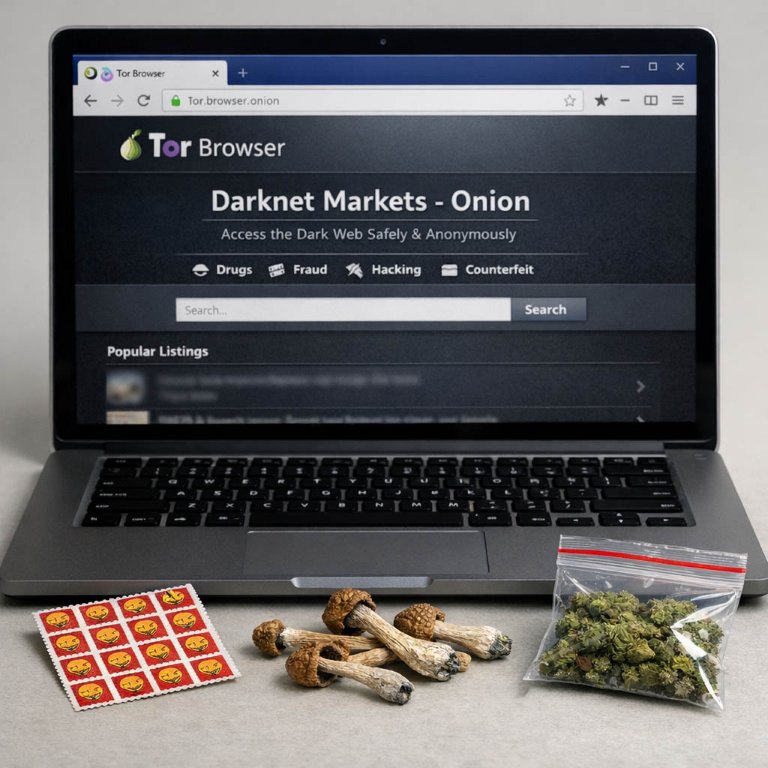
The product catalog on a darknet marketplace is vast and specialized, directly reflecting consumer demand for privacy and specific goods. These platforms function as highly efficient digital bazaars where almost any item can be sourced. Beyond common categories, one finds niche products like prescription medications, digital goods, and specialist chemicals. The range available is a key driver of platform adoption, as it consolidates access to otherwise hard-to-find items in a single, user-centric environment.
This selection is made possible by the decentralized and global nature of vendor operations. Sellers can list products with detailed descriptions, and the competitive marketplace model encourages quality and variety. For example, a buyer can compare multiple listings for a single substance, each with different:
- Purity levels and lab test results
- Origins and shipping methods
- Pricing tiers and bundle offers
Product quality is substantiated through the integrated review and reputation system. Each sale generates feedback, creating a transparent record of vendor reliability and product accuracy. This user-generated data is critical for informed decision-making, allowing buyers to select vendors with a proven track record for delivering as advertised. The combination of wide availability and verifiable quality control through peer reviews establishes a self-regulating commercial ecosystem focused on transactional satisfaction and discretion.
How Darknet Reviews Build Trust for Buyers
The feedback system on darknet marketplaces functions as a decentralized mechanism for quality control and risk mitigation. User reviews and ratings provide a transparent record of a vendor's reliability and product quality, directly influencing purchasing decisions and vendor reputation.
A product listing is typically accompanied by a detailed review section. Buyers report on the product's accuracy compared to its description, its physical quality, and the stealth of the packaging. This collective intelligence allows new buyers to assess a product's legitimacy before committing funds. Vendor ratings aggregate this data into a trust score, often displayed as a percentage. A high score, maintained over hundreds of transactions, signals consistent performance.
The review process is structured to prevent manipulation. Only users who have finalized a transaction can leave feedback, and the marketplace's escrow system often ties the review release to the completion of the sale. This creates a self-policing environment where vendors are incentivized to maintain high standards to ensure future business. The system naturally filters out unreliable sellers, as their low scores and negative reviews make them visibly untrustworthy to the community.
Detailed reviews often cover specific aspects of the transaction:
- Communication speed and clarity with the vendor
- Shipping time and discretion of the packaging methods
- Exact weight and purity of the received product
- Overall satisfaction with the transactional experience
This granular feedback transforms subjective experience into objective data, enabling informed consumer choice. The cumulative reputation built through this system is a vendor's most valuable asset, creating a stable foundation for secure and predictable trade within the ecosystem.
How Vendor Ratings Make Buying Safer
The operational stability of a darknet marketplace is fundamentally dependent on a decentralized reputation system. This system replaces the regulatory and institutional trust found in conventional commerce. Every vendor profile displays cumulative metrics: a feedback score from completed transactions, a detailed percentage rating, and often a verified escrow status. These metrics are generated automatically by the platform's software based on finalized sales.
Historical performance is transparently archived. Buyers access a vendor's complete transaction history, which includes:
- Quantifiable data like total sales volume and number of transactions.
- Written feedback from previous customers, often specifying product purity, shipping speed, and stealth packaging methods.
- A record of any disputes and their resolutions, indicating the vendor's professionalism.
This creates a self-regulating environment where vendor accountability is directly tied to commercial success. A high reputation score, built over hundreds of transactions, represents significant capital. Vendors are economically incentivized to maintain consistent product quality and reliable service to preserve their standing. The system effectively minimizes fraud by making malicious actors easily identifiable through poor or non-existent feedback, allowing buyers to make informed decisions with a high degree of confidence in their chosen supplier.

How Privacy and Trust Make Darnet Drug Trade Work
The operational foundation of darknet marketplaces is a robust framework for transactional privacy and discretion. This framework is not incidental but a deliberately engineered response to consumer demand for confidential commerce. It integrates several technological and social systems to create a secure environment for exchange.
Cryptographic tools are primary. Buyers and vendors communicate using PGP encryption, which scrambles messages so that only the intended recipient can decipher them. This protects the content of negotiations, shipping details, and feedback from interception. The use of cryptocurrencies like Bitcoin or Monero provides financial anonymity, severing the direct link between a real-world identity and a financial transaction. Marketplaces often employ escrow services, where funds are held by the platform until the buyer confirms satisfactory receipt of goods. This mechanism prevents fraud without requiring parties to trust each other blindly initially.
This technical infrastructure is validated and reinforced by the marketplace's social reputation systems. A vendor's ability to consistently deliver while maintaining operational security is reflected in their rating and review history. Detailed user reviews often comment on the stealth of packaging and the vendor's professional discretion, making these metrics as critical as product quality. A vendor with a long history of positive feedback has demonstrably mastered the logistics of discreet shipping and secure communication, thereby reducing risk for the buyer.
The result is a self-reinforcing cycle:
- Privacy technologies enable secure transactions.
- Successful transactions generate positive reviews and vendor reputation.
- High reputation signals trustworthiness and competence in maintaining discretion.
- This attracts more business, incentivizing the vendor to uphold these standards.
Therefore, privacy on these platforms is a multi-layered construct. It is achieved through the direct application of encryption and cryptocurrency, which is then audited and certified by the community through transparent review and reputation systems. The buyer's choice is informed by both technical guarantees and collective social proof, creating a market where discretion is a measurable and tradable commodity.
How Reviews and Ratings Guide Safe Shopping on the Darknet
The darknet marketplace ecosystem is structured to facilitate secure and private commerce by integrating several key features. These platforms operate on principles of cryptographic encryption and pseudonymous transactions, primarily using cryptocurrencies like Bitcoin or Monero. This technical foundation ensures that communication and financial transfers are protected from external surveillance, creating a private shopping environment.
Trust between buyers and vendors is established through a transparent reputation system. Each transaction concludes with a detailed feedback review and a rating, typically on a five-star scale. This cumulative data forms a vendor's public profile, allowing buyers to assess reliability and product quality before purchasing. High-rated vendors with extensive positive feedback history become trusted partners within the marketplace.
The availability of information directly empowers consumer choice. Buyers can compare products using:
- Detailed vendor ratings and historical sales data
- Specific product reviews describing potency, purity, and shipping
- Photographs uploaded by previous customers as proof of quality
This system of verified reviews and reputational metrics reduces uncertainty. It creates a self-regulating environment where vendors are incentivized to maintain high standards and honest business practices to preserve their standing. The result is a competitive market where quality and service are paramount, and consumers make informed decisions based on comprehensive, community-generated information.