Darknet Markets 2026:
The dark web is part of the deep web but is built on darknets: overlay networks that sit on the internet but which can't be accessed without special tools or software like Tor. Tor is an anonymizing software tool that stands for The Onion Router — you can use the Tor network via Tor Browser.
| Darknet Market | Established | Total Listings | Link |
|---|---|---|---|
| TorZon Market | 2022 | 140+ | Onion Link |
| Nexus Market | 2024 | 600+ | Onion Link |
| Abacus Market | 2022 | 100+ | Onion Link |
| Ares | 2026 | 100+ | Onion Link |
| Cocorico | 2023 | 110+ | Onion Link |
Updated 2026-10-28
How Nexus Makes Shopping on the Darknet Safe and Easy
The Nexus platform establishes a secure and reliable environment for private commerce by integrating several foundational technologies. End-to-end encryption is applied to all communications and transaction details, ensuring that only the intended buyer and vendor can access the content of their exchange. This cryptographic layer protects user privacy by making personal data and purchase histories unreadable to any external party, including the platform administrators.
Transaction security is further reinforced through a multi-signature escrow system. In this model, funds for a purchase are held in a secure, temporary wallet that requires more than one key to release. Typically, two of three possible keysheld by the buyer, vendor, and a moderatorare needed to finalize the transaction or resolve a dispute. This mechanism prevents fraud by ensuring payment is only released after the buyer confirms satisfactory receipt of goods.
The platform's stability and resistance to interference are a direct result of its decentralized hosting. Instead of relying on a single server, the marketplace infrastructure is distributed across a network of nodes. This design eliminates a single point of failure, making the platform highly resilient to technical outages or targeted takedown attempts, which guarantees consistent availability for its users.
Trust within this private ecosystem is cultivated through a transparent vendor reputation system. Each transaction concludes with detailed feedback and ratings from buyers, creating a persistent and publicly visible record of a vendor's reliability and product quality. This system allows participants to make informed decisions based on collective experience, fostering a self-regulating and trustworthy commercial environment.
How Encryption Makes Darnet Drug Trade Private and Secure
The Nexus darknet market employs end-to-end encryption as a foundational layer for all communications. This system ensures that messages between buyers and vendors are scrambled and can only be deciphered by the intended recipient. No intermediary, including the market administrators themselves, can access the content of these private conversations. This creates a confidential channel for discussing product specifics, delivery arrangements, and other sensitive details, effectively shielding the commerce process from external scrutiny.
Beyond communication, encryption secures the user's identity and financial transactions. All data related to user accounts and wallet addresses is protected. When a transaction is initiated, the details are encrypted before being added to the blockchain. This means that while the transaction itself is publicly verifiable on the ledger, the parties involved and the nature of the exchange remain private. The use of PGP (Pretty Good Privacy) keys is standard, allowing users to authenticate their identity through digital signatures without revealing personal information.
The technical implementation involves robust cryptographic protocols. The platform typically utilizes:
- AES (Advanced Encryption Standard) for securing data at rest.
- RSA or Elliptic Curve Cryptography for key exchange and digital signatures.
- TLS/SSL protocols for securing the connection between the user's browser and the market servers.
This multi-layered approach ensures that privacy is not a single feature but an integrated property of the entire platform. The encryption mechanisms work silently in the background, allowing users to engage in commerce with the assurance that their activities and identities are compartmentalized and secure. This technical environment directly supports the market's function as a reliable hub for private trade, where the focus remains on the transaction rather than the exposure of its participants.
How Decentralized Hosting Keeps the Darknet Market Running Smoothly
The operational model of Nexus relies on decentralized hosting, a fundamental architectural choice that directly enhances platform stability and user security. Unlike traditional marketplaces dependent on a single server or data center, this system distributes its infrastructure across a global network of independent nodes. This design eliminates any single point of failure, making the platform highly resistant to targeted attacks or accidental downtime. For commerce, this translates to consistent service availability, ensuring that buyers and vendors can conduct transactions without interruption.
This resilience is critical for maintaining trust and economic activity. The distributed nature of the hosting means the platform cannot be taken offline by authorities or hackers targeting a central server. Each node operates autonomously, and the network remains functional as long as a subset of nodes is active. This provides a stable trading environment where long-term vendor relationships and complex transactions, such as those involving multi-signature escrow, can be reliably completed. The stability afforded by decentralization supports a mature marketplace where product diversity flourishes and reputation systems hold consistent value.
From a technical perspective, decentralized hosting also contributes to data integrity and user privacy. Information is not stored in a vulnerable central repository but is redundantly secured across the network. This architecture inherently supports the platform's encryption protocols, creating a more secure and private shopping environment. The combination of these factors results in a robust operational framework that is both secure and reliable, fostering a predictable and efficient space for private commerce.

How Multi-Signature Escrow Protects Your Darknet Purchases
The fundamental challenge in any remote commerce, including on a darknet, is the lack of inherent trust between a buyer and a seller who cannot meet in person. The Nexus platform addresses this directly through its implementation of a multi-signature escrow system, which acts as a neutral and automated third party for every transaction. This mechanism is not merely an added feature but the core operational protocol that ensures safety and fairness.
When a buyer selects a product and initiates a purchase, the agreed-upon funds are not sent directly to the vendor. Instead, they are locked in a secure, blockchain-based escrow wallet that requires multiple cryptographic keys to unlock. Typically, three keys are generated: one for the buyer, one for the seller, and one for the platform's arbitration service. The release of funds is governed by a pre-programmed rule: at least two out of the three signatures are required to approve the transaction.
This creates a balanced and secure process:
- The vendor receives payment only after the buyer confirms satisfactory receipt of the goods, providing their signature to release the escrow.
- The buyer can shop with confidence, knowing their funds are protected until they verify the order. If goods are not delivered or are substandard, the buyer can dispute the transaction.
- In a dispute, the platform's arbitration service reviews the evidence and, using its key alongside the aggrieved party's, can release funds to the appropriate party, ensuring a fair resolution without either side holding unilateral power.
The technical design eliminates single points of failure and fraud. It prevents exit scams, where a vendor might take payment and disappear, as the funds are never in their direct control until the buyer is satisfied. Conversely, it protects vendors from fraudulent chargeback claims common in traditional e-commerce. The system's transparency and cryptographic security foster a reliable trading environment where private commerce for substances can occur with significantly reduced risk, encouraging honest business practices and building a self-regulating ecosystem based on verifiable transaction history and reputation.
How Vendor Reviews Build Trust on Darknet Markets
The foundation of a secure and reliable nexus for private commerce is a robust vendor reputation system. These systems transform subjective experience into objective, quantifiable data, creating a self-regulating marketplace. A vendor's reputation is not a single metric but a composite built from several key components.
Transaction feedback forms the core. After each completed sale, buyers leave detailed ratings and comments on factors like product quality, stealth shipping, and communication speed. This history is permanently and publicly linked to the vendor's profile. The system's design often emphasizes recent feedback, providing a dynamic and current view of performance. To mitigate manipulation, many platforms weight feedback from established users more heavily than from new accounts.
Escrow integration directly ties reputation to financial security. Funds are held in a multi-signature escrow until the buyer confirms satisfactory receipt. A vendor with a high successful completion rate demonstrates consistent reliability. Dispute resolution mechanisms, often involving neutral moderators, further refine a vendor's standing; a history of resolved disputes in the vendor's favor reinforces trust, while losses can damage reputation.
The cumulative effect is a transparent trust economy. Buyers can make informed decisions by analyzing:
- A vendor's overall positive rating percentage.
- The total number of completed transactions.
- Specific written feedback on product purity and delivery.
- The vendor's tenure on the platform.
This environment incentivizes ethical business practices, as a strong reputation directly correlates with higher sales volume and the ability to command premium prices. It creates a stable framework where private commerce can operate efficiently based on demonstrated trust rather than anonymous claims.

How the Darknet Stays Online for Smooth Trade
The Nexus platform achieves consistent availability through a decentralized infrastructure. Unlike centralized markets vulnerable to single points of failure, Nexus operates on a network of independent nodes. This design ensures the platform remains online even if individual nodes are compromised or taken offline. The system uses redundant data storage and automated failover protocols to maintain service continuity.
This architectural resilience directly supports private commerce by guaranteeing vendor and buyer access. Transactions are not interrupted by external takedown attempts. The network's stability is maintained through:
- Distributed server hosting across multiple jurisdictions
- Peer-to-peer communication protocols that bypass central choke points
- Regular, automated node verification to ensure network health
The result is a reliable trading environment where listings, communications, and escrow services are persistently accessible. This uptime is critical for building trust and facilitating efficient trade, as parties can depend on the platform's presence to finalize agreements and manage reputations. The design inherently resists censorship, providing a stable foundation for the ecosystem.
A Wide Selection of Goods on the Darknet
The product diversity on the Nexus darknet is a direct function of its secure operational framework. The platform's design facilitates a free market where vendor competition and consumer demand naturally expand the available catalog. This results in an extensive range of products, from common items to specialized goods that are difficult to source through conventional channels.
The decentralized hosting model ensures the platform's resilience, which in turn provides a stable environment for this marketplace to grow. Vendors are incentivized to maintain high-quality listings and reliable service due to the transparent reputation system. This system allows buyers to make informed choices based on detailed feedback and transaction history, creating a self-regulating economy of trust.
Choice is further enhanced by the platform's core security features. The use of end-to-end encryption protects all communications about product specifics and negotiations. The multi-signature escrow system secures the financial transaction independently of the product type, allowing buyers to explore diverse offerings with equal confidence in the settlement process. This combination of stability, security, and transparent feedback mechanisms creates an environment where product variety is not only possible but thrives.
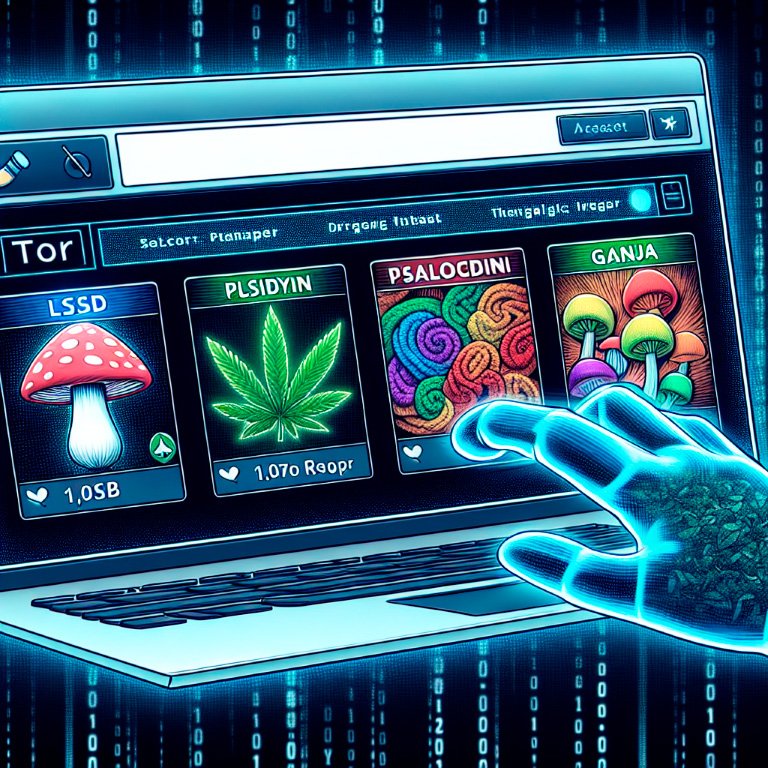
How the Darknet Builds Trust for Smooth Trade
The operational framework of the Nexus darknet market is engineered to facilitate efficient private commerce by integrating several core systems. This framework functions on principles of decentralization and automation, which directly contribute to its resilience and user satisfaction. Unlike centralized platforms, the distributed hosting model ensures that the market maintains consistent availability, preventing single points of failure that could disrupt transactions.
The transaction process is secured by a multi-signature escrow system. This requires multiple cryptographic keys to release funds, which are held in escrow until the buyer confirms satisfactory receipt of goods. This mechanism builds trust between parties who may never interact again, as it removes the need for blind faith and significantly reduces the risk of fraud.
Efficiency is further enhanced by the platform's vendor reputation system. This transparent, feedback-driven metric allows buyers to make informed decisions based on historical performance data. High-rated vendors are incentivized to maintain quality and reliable shipping, which streamlines the commerce experience and reduces disputes.
The framework's design supports a diverse product range by providing a stable and secure environment for vendors to operate. This results in a competitive marketplace where choice and quality are paramount. The combination of these systemsdecentralized infrastructure, secured transactions, and reputation-based trustcreates a self-reinforcing cycle that supports efficient and discreet commerce for all participants.